Our Story
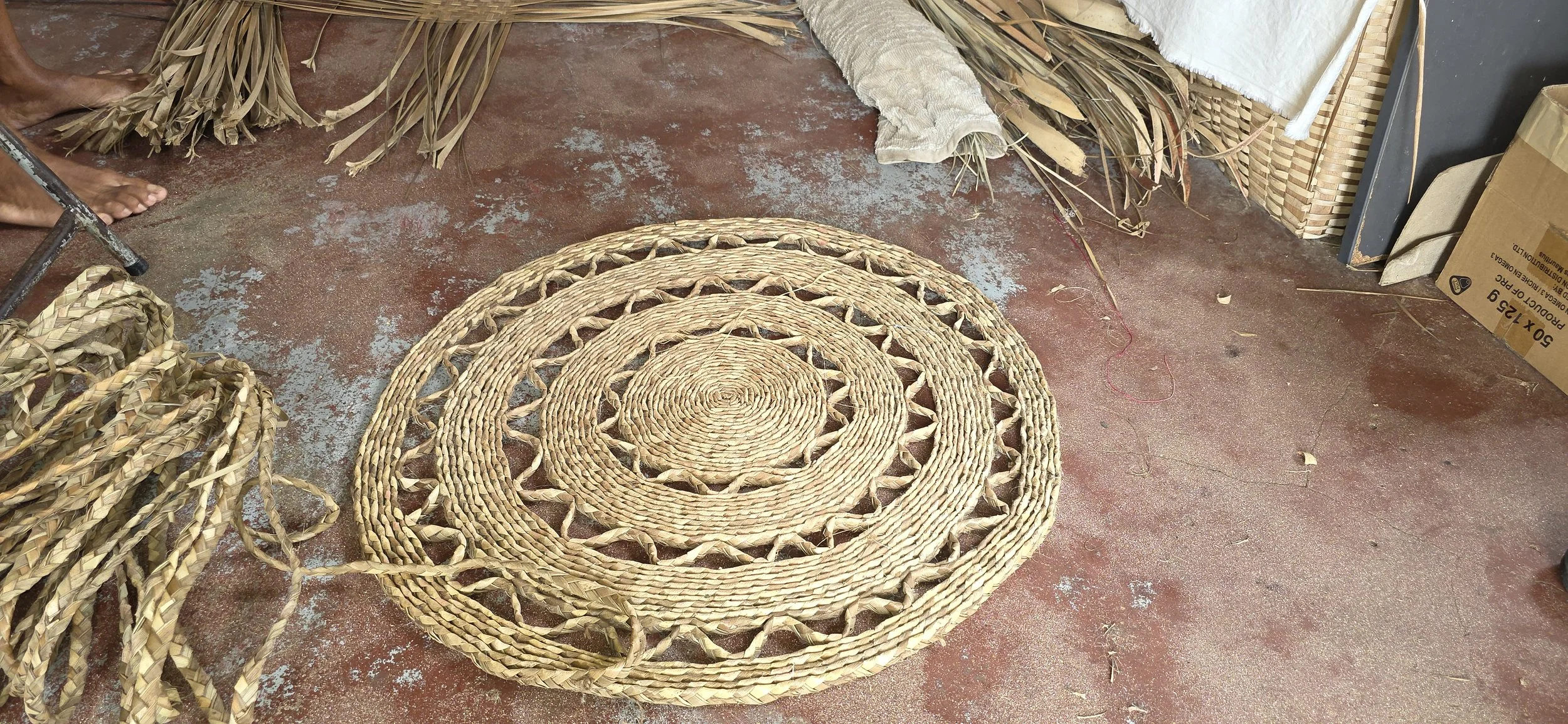
Vacoas Weaving in Mauritius
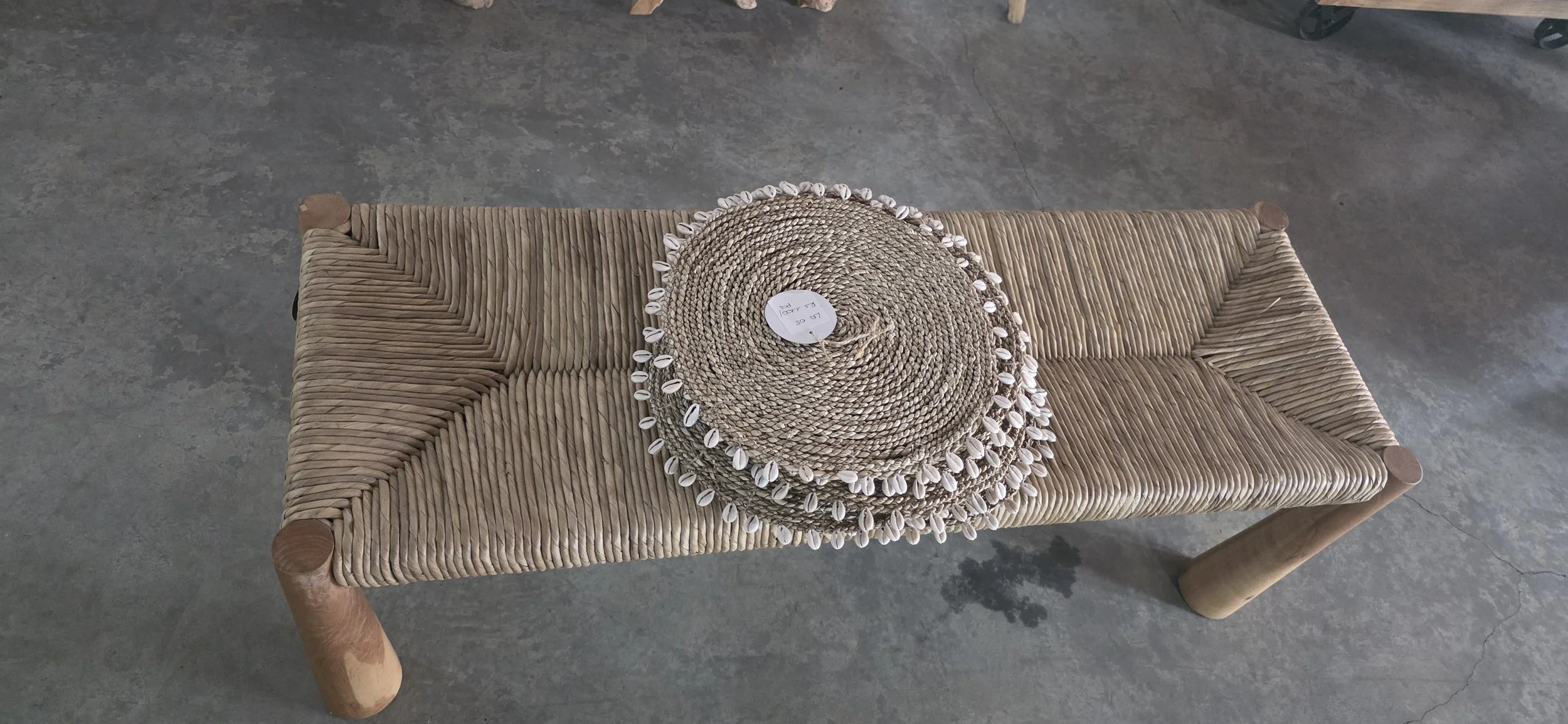
Vacoas weaving is one of Mauritius' most ancient traditional crafts, with techniques passed down via generations of experienced workers. Using the leaves of the Vacoas plant (Pandanus utilis), craftsmen carefully gather, dry, prepare, and weave natural fibers into baskets, hats, mats, purses, and beautiful home goods. Originally designed for utilitarian everyday use, these handcrafted items have become icons of Mauritian culture and identity. Today, Vacoas weaving represents the island's rich artisanal legacy, demonstrating the creativity, patience, and workmanship that have been passed down through centuries.
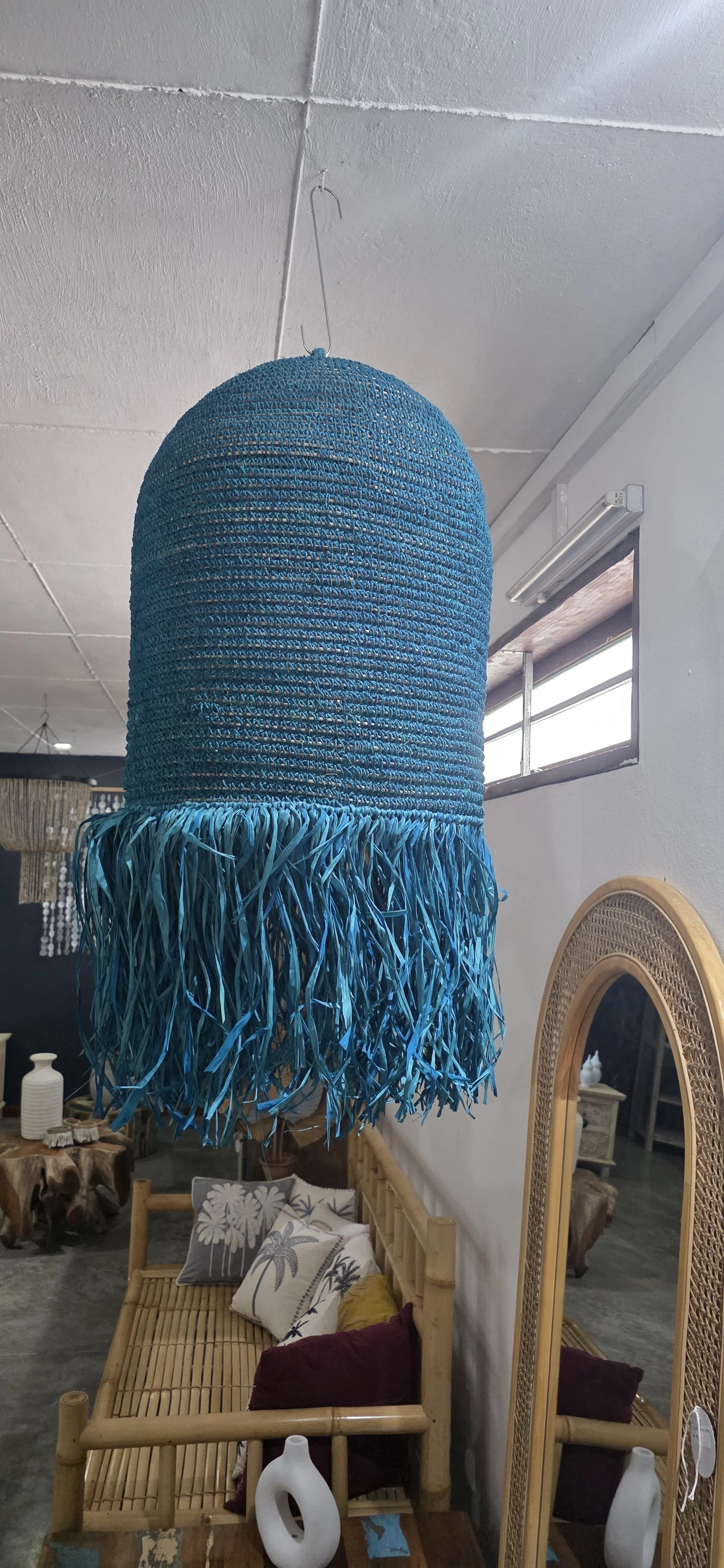
Inspiration for The Weaving House
The Weaving House was founded on the intention to preserve and honor the ageless legacy of Mauritian Vacoas weaving via modern design and branding. Recognizing the constraints that local artists confront, such as restricted visibility and shifting customer preferences, the initiative was designed to bridge the gap between traditional workmanship and modern audiences. The Weaving House is a platform that promotes Mauritian artists' stories, talents, and creativity, while also presenting Vacoas weaving as a sustainable, authentic, and culturally relevant craft that deserves to be appreciated both locally and globally.
Importance of Preserving Mauritian Heritage
Preserving Mauritian legacy is critical to preserving the island's distinct cultural character and ensuring that traditional knowledge and craftsmanship are passed down to future generations. Vacoas weaving is more than just a useful skill; it symbolizes the history, creativity, and values of Mauritian communities. As modernity and mass manufacturing continue to have an impact on consumer markets, traditional crafts risk being disregarded or forgotten. By maintaining and promoting traditional techniques through modern branding and design, Mauritius may celebrate its cultural richness, assist local craftspeople, encourage sustainable manufacturing, and increase appreciation for handmade products. Preserving this history not only honors the country's traditions but also helps to further its social, cultural, and economic development.